
Unlocking the Multiplicative Power of PPC, SEO, and Omnichannel Synergy for Lasting Growth in 2025.
Key Insights for E-commerce Marketing Excellence
- Channel Synergy is Crucial: The most effective e-commerce strategies in 2025 move beyond an “either/or” choice between PPC and SEO, embracing a synergistic approach where both amplify each other’s results.
- Integrated Marketing is the Future: A cohesive, consistent brand message across all channels is essential for building trust, enhancing brand recall, and driving conversions in a customer journey that often involves multiple touchpoints.
- Omnichannel Experiences Drive Growth: Providing a seamless, unified customer experience across all online and offline channels—from social media to physical stores—is paramount for maximizing engagement and loyalty.
The Evolving Landscape: PPC, SEO, and the Quest for Balance
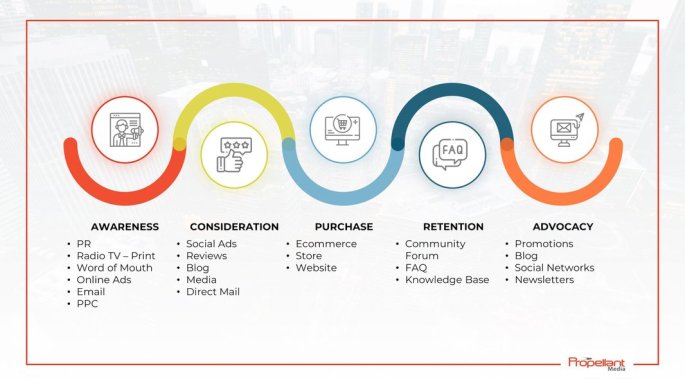
In the dynamic realm of e-commerce, businesses often find themselves at a crossroads, pondering whether to prioritize immediate sales through Pay-Per-Click (PPC) advertising or to cultivate enduring brand presence through Search Engine Optimization (SEO). As we advance into 2025, the conversation is no longer about choosing one over the other but about strategically integrating these powerful forces to achieve both immediate performance gains and sustainable long-term awareness.
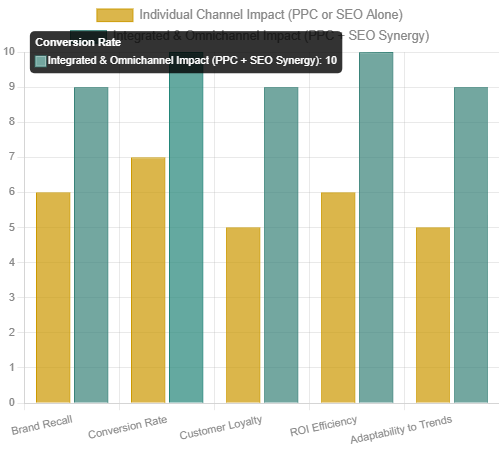
This deep dive explores how e-commerce brands can harness the multiplicative effects of channel synergy, integrated marketing, and omnichannel advertising, all while optimizing for the growing importance of voice search. The goal is to transform your marketing efforts from merely additive (1+1=2) to truly synergistic (1+1=3 or more), ensuring your marketing dollars go further and your brand resonates deeply with your target audience.
PPC: The Catalyst for Immediate E-commerce Performance
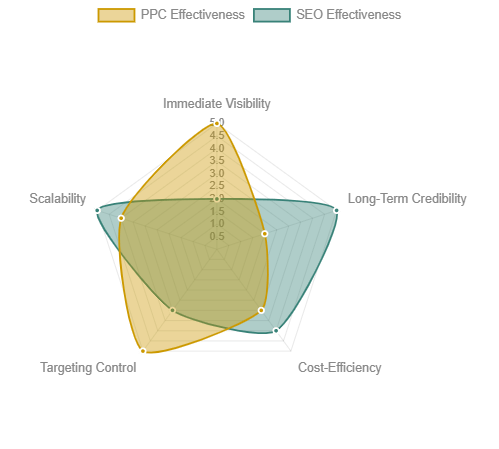
PPC advertising offers an unparalleled ability to drive instant visibility and sales. By strategically bidding on keywords, your products can appear at the very top of search engine results pages (SERPs), capturing the attention of potential customers actively searching for what you offer. This makes PPC invaluable for:
- Rapid Traffic Generation: Launching new products, promoting seasonal sales, or responding to market trends with immediate ad placement.
- Precision Targeting: Tailoring ads to specific demographics, interests, and geographic locations, ensuring your message reaches the most relevant audience.
- Measurable ROI: Real-time tracking of clicks, conversions, and return on ad spend (ROAS), allowing for swift optimization and budget allocation.
- Brand Term Protection: Safeguarding your brand’s search presence even when competitors bid on your branded keywords.
However, the visibility gained through PPC is inherently temporary; stop paying, and your ads vanish. This highlights the need for a complementary strategy that builds lasting presence.
SEO: Cultivating Enduring E-commerce Awareness
SEO, conversely, is a long-term investment focused on organically improving your website’s visibility in search results. By optimizing content quality, relevance, and technical elements, SEO builds a foundation for sustained, “free” traffic. Its benefits include:
- Sustainable Organic Traffic: Once high rankings are achieved, they can provide a consistent flow of visitors without ongoing per-click costs.
- Enhanced Credibility and Trust: Organic listings are often perceived as more authoritative and trustworthy than paid ads, leading to higher click-through rates (CTRs).
- Compounding Results: SEO efforts accumulate over time, leading to exponential growth in organic reach and brand authority.
- Cost-Effectiveness in the Long Run: While requiring initial investment, SEO typically proves more cost-efficient over time compared to continuous PPC spending.
The main challenge with SEO is its time-consuming nature; results can take months to materialize, underscoring the value of immediate traffic drivers like PPC.
The Power of Channel Synergy: Beyond Additive Results
The true magic happens when PPC and SEO are no longer viewed as separate entities but as integrated components of a larger strategy. This is where the concept of “channel synergy” comes into play, signifying that the combined effect of these channels is greater than the sum of their individual parts. Imagine 3 + 3 = 6, but with synergy, it becomes 3 x 3 = 9. This multiplicative effect is achieved by:
- Unified Keyword Research: Data from high-performing PPC keywords can inform your SEO content strategy, identifying terms that convert and deserve organic focus. Conversely, SEO insights into user intent can refine PPC ad copy.
- Maximized SERP Dominance: Appearing in both paid and organic results for critical keywords significantly increases your brand’s visibility, authority, and the likelihood of clicks. This dual presence reinforces market leadership.
- Cross-Promotion: Use PPC campaigns to drive traffic to valuable SEO-optimized content, such as blog posts, guides, or product pages, thereby accelerating their reach and aiding organic ranking. Similarly, strong organic presence can lower PPC costs for certain keywords.
- Data Sharing and Insights: Leveraging analytics to share performance data between PPC and SEO teams allows for continuous optimization. A/B testing ad copy in PPC can provide quick insights into messaging that can then be applied to organic content for broader impact.
The Grand Orchestration: Integrated Marketing and Omnichannel Strategies
For e-commerce success in 2025, the synergy between PPC and SEO must be embedded within a broader, more sophisticated framework: integrated marketing and omnichannel advertising.
Integrated Marketing: A Cohesive Brand Voice Across All Touchpoints
Integrated marketing ensures that your brand message is cohesive and consistent across every channel. This is vital because customers typically interact with a brand multiple times before making a purchase. Each touchpoint, whether an ad, an email, or a website visit, should feel like a continuation of the same brand story. Key aspects include:
- SMART Goals: Clearly defined, measurable, achievable, relevant, and time-bound objectives guide all marketing efforts.
- Core Message Crafting: A compelling, unified brand message that resonates across all digital and traditional platforms.
- Content Planning: Developing content optimized for each channel while supporting the central message.
- Real-time Optimization: Leveraging data and predictive analytics for dynamic adjustments and personalization.
Omnichannel Advertising: A Seamless Customer Journey
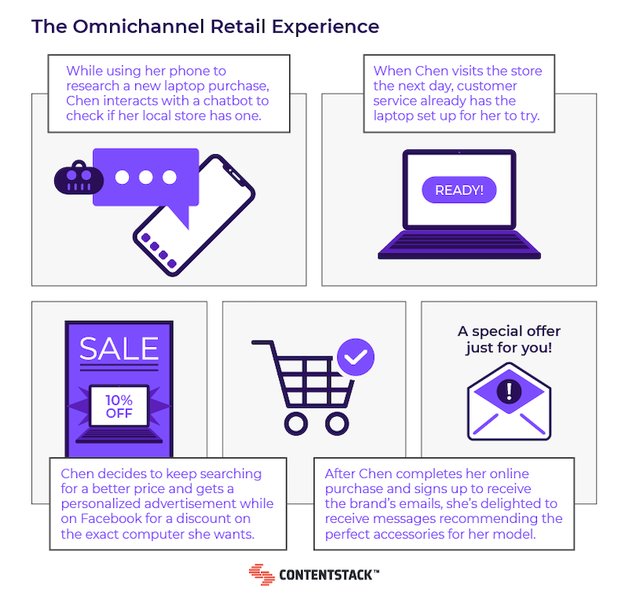
Omnichannel e-commerce extends the concept of consistency to the entire customer experience. It means providing a unified and seamless journey across all interaction points—online, in-store, social media, email, and customer service. This approach is not merely about being present on multiple channels (multichannel) but about ensuring these channels work together to create a single, fluid experience for the customer. For e-commerce, this involves:
- Optimized Purchase Experience: High-quality images and accurate product descriptions consistent across all sales channels.
- Consistent Messaging and Branding: Ensuring that whether a customer sees your brand on a social media ad, a search result, or an email, the message and aesthetic are aligned.
- Centralized Data: Managing product data and customer interactions in a unified system to prevent conflicts and enhance personalization.
- Cross-Platform Harmony: If a customer clicks an Instagram ad, your website should load quickly, be optimized for mobile, and feature compelling product information. If they then search for the product via voice, your organic content should be ready to capture that query.
Optimizing for Voice Search: The Next Frontier
As voice search continues its rapid growth, optimizing your e-commerce strategy for conversational queries is no longer optional. Shoppers are increasingly using virtual assistants like Siri, Alexa, and Google Assistant to find products and information. To capture this traffic, both your PPC and SEO efforts must adapt:
- Natural Language Keywords: Shift from short, exact match keywords to longer, more conversational phrases that mimic how people naturally speak (e.g., “Where can I find durable running shoes for trail running?”).
- FAQ-Style Content: Create content on your website and landing pages that directly answers common questions, making it more likely to be picked up by voice search algorithms.
- Schema Markup: Implement structured data (schema markup) to help search engines better understand your content, enhancing its chances of appearing in rich snippets and voice search results.
- Coordinated Content and PPC: Use insights from voice search trends to update both your organic content and PPC keywords simultaneously, ensuring you’re present wherever potential customers are searching.
Practical Strategies for E-commerce Balance in 2025
Achieving the perfect balance between performance and awareness requires a strategic and integrated approach. Here’s how e-commerce businesses can implement these concepts:
1. Aligning Goals for Holistic Impact
Begin by setting SMART goals that encompass both immediate performance (e.g., ROAS, conversion rates) and long-term awareness (e.g., brand reach, organic traffic growth). This ensures that success is measured holistically, recognizing the unique contributions of PPC and SEO.
2. Strategic Keyword Coordination
Leverage PPC for competitive keywords that require immediate visibility, while simultaneously building organic content around long-tail, informational queries that attract users earlier in their buying journey. For instance, bid on “best CRM software” with PPC, while developing in-depth guides on “CRM software benefits for small businesses” for SEO.E-commerce
MarketingSynergyPPC BenefitsImmediate VisibilityTargeted CampaignsMeasurable ROIBrand Term ProtectionSEO BenefitsLong-Term GrowthCost-Effective TrafficIncreased CredibilityCompounding ResultsIntegrated MarketingUnified Brand MessageSMART GoalsCross-Channel ContentReal-time OptimizationOmnichannel AdsSeamless Customer JourneyConsistent ExperienceCentralized Product DataPersonalized InteractionsVoice Search OptimizationNatural Language KeywordsFAQ-Style ContentSchema MarkupConversational Ad CopyChannel Synergy in ActionPPC Informs SEO KeywordsSEO Boosts PPC QualityScoreDominating SERPsRetargeting Organic UsersPractical ImplementationCoordinated CampaignSchedulesReinvest PPC Savings intoSEOA/B Testing with PPC forSEO InsightsAdvanced AttributionModels
This mindmap illustrates the interconnectedness of PPC, SEO, integrated marketing, and omnichannel strategies for e-commerce. It highlights how each element contributes to a synergistic whole, driving both performance and awareness, with a focus on practical implementation and voice search optimization.
3. Leveraging Data for Continuous Improvement
The fast feedback loop from PPC campaigns provides invaluable data on what messages, keywords, and landing pages resonate with your audience. This data can then be used to refine your SEO strategy, ensuring that your organic content is highly effective and conversion-driven. Regularly monitor metrics across both channels to identify opportunities for cross-optimization.
4. Seamless Omnichannel Execution
Ensure that product descriptions, imagery, and brand messaging are consistent across your website, PPC ads, social media, email campaigns, and any physical store presence. Tools that centralize product data can be instrumental in maintaining this consistency, creating a truly unified and personalized shopping experience.
5. Adapting to Emerging Technologies like AI
In 2025, AI is increasingly vital for personalization in both PPC and SEO. Leverage AI-powered tools for predictive analytics, audience segmentation, and automated bidding in PPC. For SEO, use AI to identify content gaps, optimize for conversational queries, and enhance user experience. The key is to integrate AI into your overall strategy, not just individual channels.
| Marketing Aspect | PPC Focus | SEO Focus | Synergistic Outcome |
|---|---|---|---|
| Primary Goal | Immediate Sales & Leads | Long-Term Brand Authority & Organic Traffic | Accelerated Growth & Sustained Market Leadership |
| Time to Results | Instant (Hours/Days) | Gradual (Months/Years) | Balanced immediate gains with future stability |
| Cost Structure | Pay-per-click (Ongoing Budget) | Initial Investment (Content, Optimization) | Optimized ROAS by reducing reliance on paid for high-ranking terms |
| Keyword Strategy | High-intent, Commercial Keywords | Informational, Long-tail Keywords | Comprehensive keyword coverage across the buyer journey |
| Brand Perception | Direct Advertising | Credibility, Trust, Authority | Enhanced Brand Recognition and Trust through dual presence |
| Data Insights | Quick A/B Testing & Conversion Data | User Behavior, Content Performance, Ranking Trends | PPC data informs SEO content; SEO insights refine PPC targeting |
| Voice Search Optimization | Conversational Ad Copy, Direct Answers | Natural Language Content, FAQ pages, Schema Markup | Increased visibility for voice queries across paid and organic results |
| Omnichannel Integration | Driving Traffic to Optimized Landing Pages | Ensuring Site Usability & Relevant Content across Devices | Seamless customer journey, consistent messaging across all touchpoints |
This table provides a concise overview of the distinct focuses of PPC and SEO, highlighting how their integration leads to superior, synergistic outcomes across various marketing aspects.
Conclusion: The Future is Integrated and Seamless
The dilemma of balancing performance and awareness in e-commerce marketing is best resolved not by choosing between PPC and SEO, but by mastering their integration within a comprehensive omnichannel framework. By understanding the unique strengths of each, fostering true channel synergy, and adapting to emerging trends like voice search and AI, e-commerce businesses can achieve both immediate sales spikes and sustainable, long-term growth. This holistic approach ensures a seamless, consistent, and personalized customer experience across all touchpoints, solidifying brand loyalty and driving profitability in the competitive digital marketplace of 2025 and beyond.
Frequently Asked Questions
What is channel synergy in marketing?
Channel synergy in marketing refers to the concept that combining multiple marketing channels in a coordinated way yields results that are greater than the sum of their individual effects. For example, when PPC and SEO work together, they can amplify each other’s reach and effectiveness, leading to multiplicative gains rather than just additive ones.
How does integrated marketing differ from traditional marketing?
Integrated marketing focuses on delivering a cohesive, consistent, and unified brand message across all marketing channels and touchpoints. Unlike traditional marketing, which might treat channels in silos, integrated marketing ensures that all campaign assets look and feel similar, building stronger brand recall and guiding customers seamlessly through their journey.
Why is omnichannel important for e-commerce in 2025?
Omnichannel e-commerce is crucial in 2025 because it provides customers with a unified and seamless experience across all interaction points, whether online, in-store, via social media, or email. This consistent experience enhances customer satisfaction, boosts engagement, and increases conversion rates by meeting customers wherever they are in their purchasing journey.
How can I optimize my e-commerce content for voice search?
To optimize e-commerce content for voice search, focus on using natural, conversational language in your website content and ad copy. Create FAQ-style pages that directly answer common questions, and implement schema markup to help search engines better understand your content. This makes your brand more discoverable through voice-activated devices.
Can PPC and SEO really work together, or do they compete?
PPC and SEO can and should work together. While they might seem to compete for search engine real estate, their combined presence maximizes visibility and brand authority. PPC can provide immediate traffic and valuable keyword data, while SEO builds long-term organic presence and credibility. When integrated, they create a powerful, complementary strategy.
Discover more from Web Pivots®
Subscribe to get the latest posts sent to your email.


You must be logged in to post a comment.