
Pioneering a new era of precision, personalization, and predictive power in the digital landscape.
Key Insights into AI’s Marketing Revolution
- Hyper-Personalization at Scale: AI empowers marketers to deliver deeply individualized experiences, from content recommendations to tailored ad creatives, fostering unparalleled customer engagement and loyalty.
- Predictive Analytics for Strategic Advantage: Beyond reactive adjustments, AI enables proactive optimization in SEO and PPC by forecasting market shifts, consumer behavior, and ad performance, ensuring campaigns are always ahead of the curve.
- Automated Efficiency and Creative Amplification: AI automates labor-intensive tasks like keyword research, bid management, and content variation, freeing human marketers to focus on high-level strategy, creative ideation, and authentic brand storytelling.
In 2025, artificial intelligence (AI) has moved beyond a mere buzzword to become the strategic backbone of digital marketing. Its pervasive influence is fundamentally reshaping how brands connect with their audiences, driving unprecedented levels of efficiency, personalization, and strategic insight. With a significant majority of marketers now integrating AI into their daily operations, the transition from experimental adoption to widespread necessity is complete. This transformation represents a paradigm shift, converting intuition-based strategies into data-driven mastery. This article delves into the revolutionary impact of AI across three critical pillars of digital marketing: Search Engine Optimization (SEO), Pay-Per-Click (PPC) advertising, and sophisticated customer targeting.
AI’s ascendancy in digital marketing is intrinsically linked to its unparalleled capacity to process and analyze vast datasets in real-time, automating complex decision-making processes. Gartner highlights that AI significantly enhances content creation, streamlines operations, and facilitates highly personalized campaigns, thereby boosting business results in an increasingly competitive digital environment. This evolution is particularly evident in the leading AI marketing trends for 2025, which underscore advanced data analytics and predictive capabilities. For instance, AI-powered tools now forecast consumer behavior with remarkable accuracy, allowing marketers to anticipate market shifts and user preferences before they fully manifest.
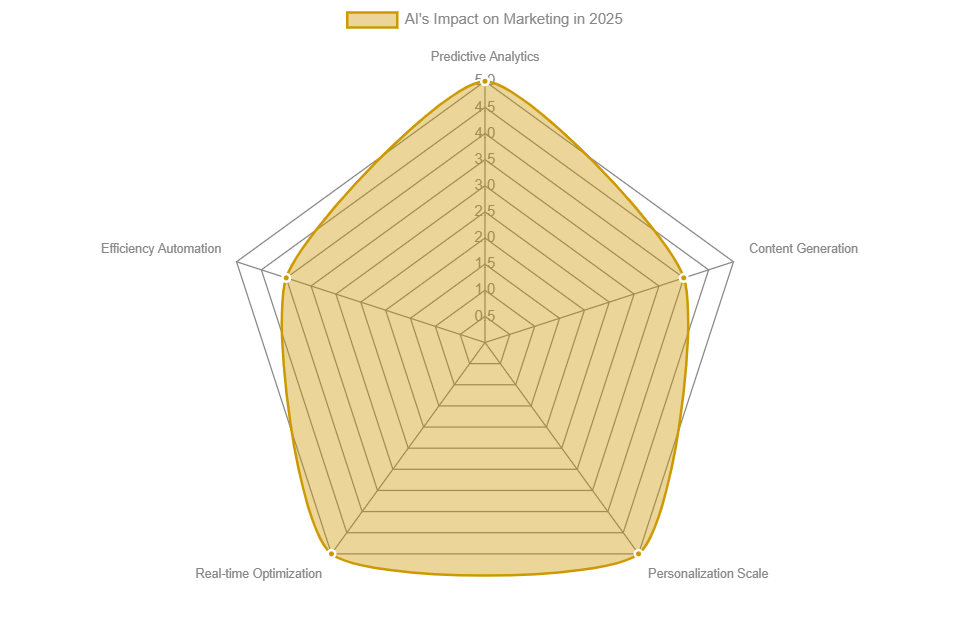
The radar chart above provides a visual representation of AI’s profound impact on various facets of digital marketing in 2025. It highlights how AI is perceived to excel in areas like Predictive Analytics and Personalization Scale, achieving top scores of 5. This signifies AI’s critical role in not just automating, but intelligently enhancing marketing strategies. The chart also underscores the high scores in Real-time Optimization and Efficiency Automation, indicating AI’s capability to deliver immediate and streamlined campaign management. While Content Generation also scores high, it suggests a continued emphasis on human oversight to ensure brand voice and creative nuance. This holistic view demonstrates AI’s comprehensive integration and its elevated status as a pivotal force in modern marketing.
AI’s Transformative Power in SEO: Beyond Keywords to Intent
Intelligent Optimization for Unprecedented Visibility
Search Engine Optimization (SEO) has undergone a profound transformation powered by AI, moving beyond traditional keyword matching to a sophisticated understanding of user intent. In 2025, AI algorithms analyze billions of data points to forecast SEO trends, enabling marketers to refine strategies proactively rather than reactively. This includes predicting shifts in search engine algorithms by examining user behavior patterns, allowing for adaptive keyword optimization and content personalization.
Automated Keyword Research and Semantic Optimization
AI systems are revolutionizing keyword research by analyzing vast datasets in real time to uncover trending keywords, long-tail variations, and evolving user intent before they become mainstream. This enables marketers to target opportunities with razor-sharp precision. Machine learning algorithms continuously assess content performance against search rankings and user engagement metrics, recommending real-time improvements such as semantic keyword integration and structural adjustments. Tools like Indexly and ChatGPT assist in creating optimized content aligned with user intent, ensuring higher rankings and better visibility.
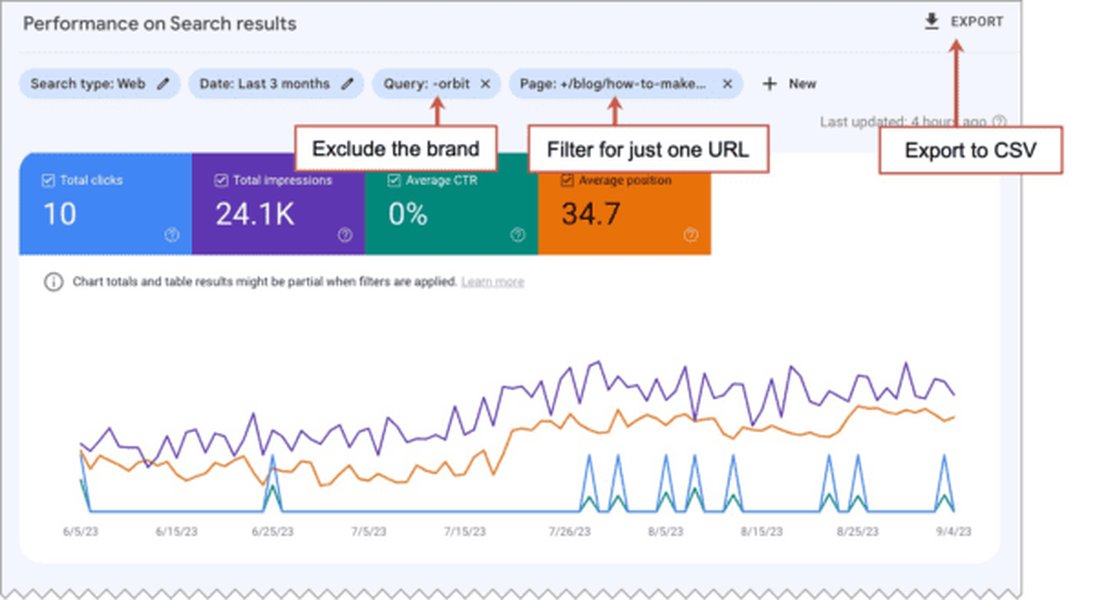
An illustrative example of an AI-powered SEO tool interface, showcasing how AI can analyze content for optimization.
Predictive Analytics and Technical SEO Enhancements
AI models forecast shifts in search trends and consumer behavior, allowing marketers to adjust strategies proactively, staying ahead of the competition. This also extends to technical SEO, where AI automatically detects and resolves site issues, improves site speed, and ensures mobile optimization—all critical factors for ranking success. The increasing prevalence of voice search via smart speakers and AI voice assistants also means that AI is crucial for interpreting natural language and longer, conversational queries, aligning brands with evolving consumer search patterns.AI
This mindmap illustrates the interconnected ways AI influences core digital marketing functions: SEO, PPC, and Customer Targeting. Each branch details specific AI-driven capabilities within these areas.

The mindmap above visually organizes the multifaceted applications of AI across key digital marketing domains. It begins with the central theme, “AI in Digital Marketing 2025,” and branches out into the three main areas: AI in SEO, AI in PPC, and AI in Customer Targeting. Each of these branches further details specific AI-powered capabilities, such as “Automated Keyword Research” under SEO, “Real-Time Bidding” under PPC, and “Hyper-Personalization” under Customer Targeting. This hierarchical structure helps to clearly illustrate the comprehensive and integrated role of AI in modern marketing strategies, demonstrating how various AI functionalities contribute to a more efficient and effective digital presence.
Revolutionizing PPC: Smarter, More Dynamic Advertising
Precision and Efficiency in Paid Campaigns
Pay-per-click (PPC) advertising has witnessed one of the most dramatic AI-driven transformations. In 2025, AI-powered programmatic advertising platforms dominate the PPC space by automating and optimizing ad buying with unmatched agility. AI algorithms are optimizing PPC campaigns in real-time, using predictive analytics to adjust bids, ad placements, and creative elements based on performance data. This ensures ads are not only more relevant but also more cost-effective, minimizing wasted spend by targeting users at the optimal moment.
Real-Time Bidding and Ad Placement
AI algorithms analyze user data, context, and engagement patterns instantly to bid for ad space in real time. This precision targeting maximizes ROI by placing ads that resonate most strongly with individual users. Automated bid management systems such as Albert.ai leverage predictive analytics to determine optimal bidding strategies in real time, ensuring maximum ROI while minimizing wasteful ad spend. These AI systems assess user behavior, device preferences, contextual signals, and competitive landscapes to dynamically adjust bids, delivering ads to the right audience at the right moment.
Creative Optimization and Budget Allocation
Advanced AI tools dynamically tailor creative elements such as copy, images, and calls-to-action based on audience preferences and contextual signals, continually learning what drives conversions. Tools now generate multiple ad copies, images, and videos tailored to specific audience segments. Machine learning algorithms evaluate performance data instantaneously, refining creative elements for better engagement and conversion rates. This continuous learning cycle ensures hyper-efficient campaigns that adapt seamlessly to market fluctuations, allowing marketers to allocate budgets more strategically based on AI-powered predictions.
Hyper-Personalized Customer Targeting: AI as the Ultimate Matchmaker
Deepening Engagement and Loyalty at Scale
Perhaps the most transformative application of AI in digital marketing is in customer targeting, where it enables hyper-personalized experiences that were previously unattainable. AI is the engine driving personalization at scale, ensuring that businesses can analyze data to understand precisely where, when, and to whom ads should be sent. This goes beyond basic customization, enabling hyper-personalized content and recommendations that anticipate customer needs.
Predictive Customer Insights and Tailored Journeys
Deep learning models analyze behavioral data to anticipate needs and preferences before customers explicitly express them. This allows brands to craft tailored journeys that guide users seamlessly from awareness to conversion. By utilizing machine learning algorithms and vast amounts of customer data, AI helps marketers identify patterns, predict behaviors, and craft highly personalized customer journeys, fostering deeper engagement and strengthening customer relationships.
Automation, Scale, and Ethical Considerations
AI automates repetitive tasks such as segmentation, messaging, and delivery across channels, freeing marketers to focus on strategy and creativity. The advent of synthetic influencers and AI-powered virtual assistants exemplifies this shift, as these AI constructs can hold real-time conversations, recommend products, and provide tailored support. With the intensifying focus on data privacy, AI facilitates a “privacy-first personalization” approach, ensuring relevant experiences are delivered while maintaining transparent and ethical data practices. Real-time learning capabilities enable AI to dynamically adjust targeting parameters based on latest interactions, refining campaigns continuously.
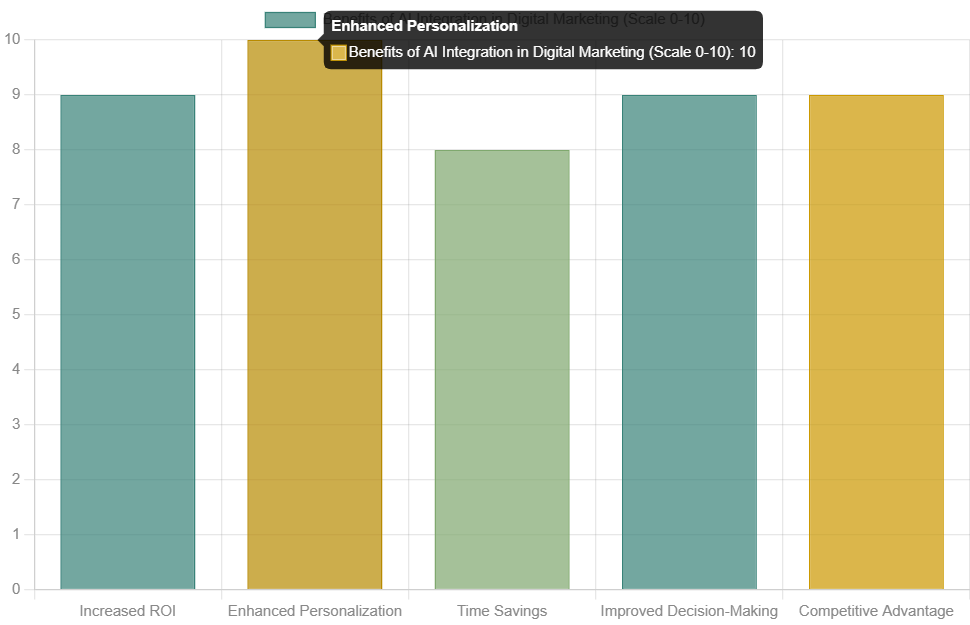
The bar chart above visually summarizes the tangible benefits of integrating AI into digital marketing strategies. It clearly shows “Enhanced Personalization” as a standout benefit, scoring a perfect 10, which reinforces AI’s strength in delivering highly individualized customer experiences. “Increased ROI,” “Improved Decision-Making,” and “Competitive Advantage” also score very high, indicating AI’s significant contribution to business growth and strategic positioning. Even “Time Savings,” while slightly lower, remains a strong benefit, highlighting AI’s role in automating tedious tasks and boosting efficiency. This chart underscores that AI is not just a technological advancement but a strategic imperative that delivers quantifiable advantages for marketers in 2025.
Generative AI: Amplifying Creativity and Strategic Foresight
A New Era of Content and Innovation
2025 marks a new era where generative AI is not just a tool but a creative partner. Platforms powered by advanced models like GPT-4 generate content faster, more cost-effectively, and with greater brand consistency, scaling marketing production without sacrificing quality. This synergy of human creativity and AI-driven execution transforms marketing from a laborious process into an agile, innovative discipline. Generative AI also amplifies capabilities by enabling real-time learning and adaptation, refining strategies as new data emerges, making campaigns more responsive and effective.
| AI Marketing Trend | Impact on Digital Marketing | Key Benefits |
|---|---|---|
| Hyper-Personalization | Tailored content and experiences for individual users across channels. | Increased engagement, higher conversion rates, improved customer loyalty. |
| Predictive Analytics | Forecasts consumer behavior and market trends, informing proactive strategies. | Optimized budget allocation, early adaptation to market shifts, reduced risk. |
| Real-time Optimization | Dynamic adjustments to campaigns (SEO/PPC) based on live performance data. | Maximized ROI, minimized wasteful ad spend, enhanced campaign agility. |
| Automated Content Creation | AI generates various content forms (copy, images, videos) at scale. | Faster content production, consistent brand voice, diverse creative assets. |
| AI-Powered Chatbots/Virtual Assistants | Instant customer support, personalized recommendations, lead qualification. | Enhanced customer experience, 24/7 availability, efficient lead nurturing. |
| Ethical AI & Privacy-First Personalization | Balancing data utility with consumer privacy and regulatory compliance. | Increased trust, reduced legal risks, sustainable marketing practices. |
This table summarizes the leading AI marketing trends in 2025, detailing their impact and key benefits across various digital marketing functions.
The table above provides a structured overview of the most significant AI marketing trends in 2025. Each trend is presented with its core impact on digital marketing and the resulting key benefits, offering a concise yet comprehensive summary of AI’s transformative role. For instance, “Hyper-Personalization” is shown to lead to increased engagement and higher conversion rates, while “Predictive Analytics” ensures optimized budget allocation and early adaptation to market shifts. This table acts as a quick reference for understanding how AI-driven strategies are yielding tangible advantages and shaping the future of digital marketing.
The Strategic and Ethical Dimension
Balancing Innovation with Responsibility
While AI offers incredible opportunities, its deployment in digital marketing also demands strategic foresight and ethical considerations. In 2025, thought leaders emphasize responsible AI usage. Transparency in AI-driven decisions, consumer privacy, and compliance with growing data protection regulations are paramount. Moreover, successful AI integration requires a harmonious blend of human creativity and machine automation. While AI handles repetitive tasks and data analysis, human marketers focus on storytelling, brand building, and emotional connections—elements that machines cannot replicate authentically.
Looking Ahead: The Future of AI in Digital Marketing
The impact of AI in digital marketing is profound and accelerating. Industry data indicates that a significant majority of marketers now incorporate AI, achieving higher ROI compared to those who do not leverage AI-driven strategies. AI’s integration across SEO, PPC, and customer targeting is not merely a trend but a paradigm shift. Marketers who embrace AI gain the ability to deliver hyper-personalized omnichannel experiences, predict and respond to market changes with agility, automate complex processes to focus on strategy and creativity, and optimize campaigns dynamically for maximum efficiency and impact.
Frequently Asked Questions
What is the primary driver of AI adoption in digital marketing in 2025?
The primary driver is AI’s ability to process vast datasets in real-time, enabling unprecedented precision, personalization, and predictive capabilities across SEO, PPC, and customer targeting, leading to higher ROI and efficiency.
How is AI transforming SEO beyond traditional keyword strategies?
AI is transforming SEO by moving towards understanding user intent through automated keyword research, semantic optimization, and predictive analytics that forecast search trends and algorithm shifts. It also enhances technical SEO and voice search optimization.
What are the key benefits of AI in PPC advertising?
Key benefits include real-time bidding, dynamic ad placement, creative optimization, and precise budget allocation. AI ensures ads are highly relevant and cost-effective by continually learning and adapting based on performance data.
How does AI contribute to hyper-personalization in customer targeting?
AI analyzes behavioral data, social media interactions, and transactional histories to segment audiences with unprecedented accuracy. It crafts tailored customer journeys, provides personalized content recommendations, and even powers synthetic influencers and virtual assistants for real-time, individualized support.
What ethical considerations are important when using AI in digital marketing?
Ethical considerations include ensuring transparency in AI-driven decisions, protecting consumer privacy, and complying with data protection regulations. It’s crucial to balance AI automation with human creativity to maintain authenticity and ethical standards.
Conclusion
As we stand in 2025, AI’s revolution in digital marketing is not just a trend—it’s a new standard that empowers marketers to operate with intelligence and foresight. From enhancing SEO through predictive analytics to optimizing PPC for better ROI and revolutionizing customer targeting with hyper-personalization, AI is reshaping how brands engage with their audiences. This innovation drives not only efficiency but also ethical, data-informed strategies that prioritize user experience. Marketers who embrace these tools will lead the way in a competitive landscape, delivering campaigns that are smarter, faster, and more impactful. The future of digital marketing lies in AI’s continued evolution, promising even greater integration and creativity in the years ahead.
Discover more from Web Pivots®
Subscribe to get the latest posts sent to your email.


You must be logged in to post a comment.