
Smart Pages. Higher Rankings. Real Conversions.
We optimize every on-page element—from content structure to keyword placement—to help your website rank and perform better.
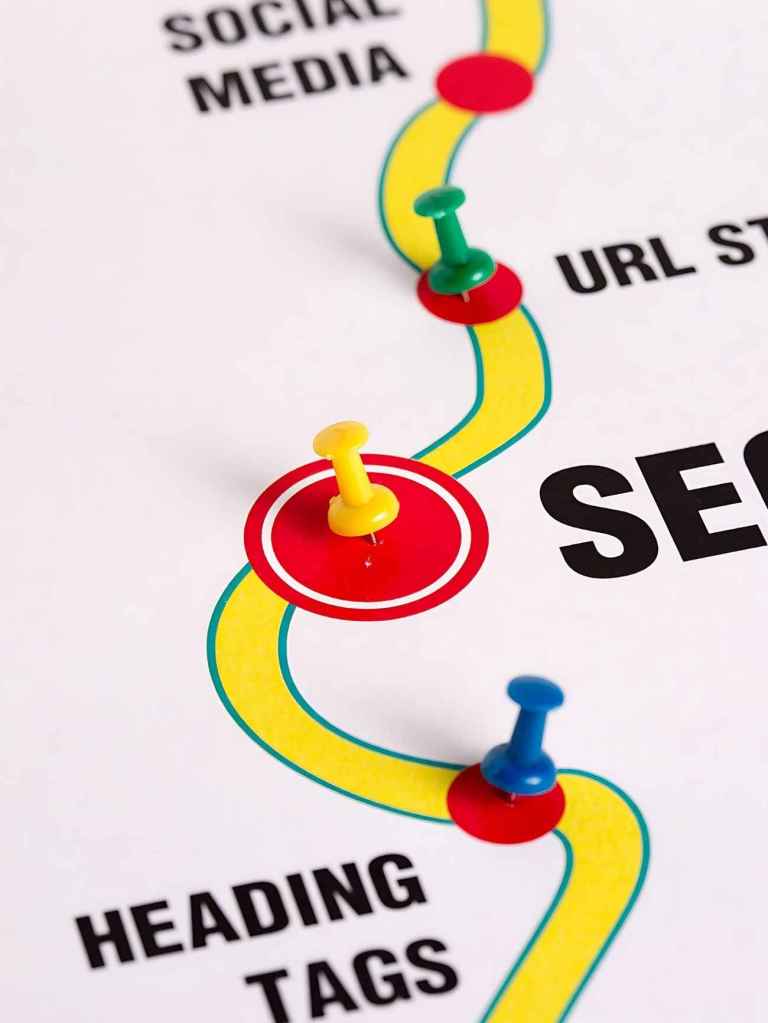
Why On-Page SEO Still Wins?
“Without On-Page SEO, Your Content’s Invisible.”
Great content means nothing if it’s not structured and optimized. On-page SEO is what tells search engines how to read and rank your pages. We turn your site into a conversion-optimized, search-friendly machine.
Mini-stats or trust signals:
✔ Avg. CTR increase: +35%
✔ Bounce Rate drop: -22%
✔ Optimized pages load 2x faster
Our Optimization Process
“Precision Tweaks That Deliver Maximum Impact.”
On-page SEO isn’t about guesswork—it’s about strategic refinement. We optimize the core elements that search engines rely on to understand, index, and rank your content.
Keyword Placement & Density
🧠 “Right place. Right balance.”
We don’t stuff keywords—we embed them naturally in your headlines, first 100 words, subheaders, and CTAs. This signals relevance without sacrificing readability or engagement.
Title Tag & Meta Description Optimization
🔍 “Win the click, not just the rank.”
We craft punchy, keyword-aligned titles and meta descriptions designed to grab attention in SERPs and increase click-through rates—without triggering truncation.
Header Tag Structure (H1–H6)
📐 “Organized content ranks better.”
Proper use of header tags creates a clear content hierarchy that’s easier for both users and Google to digest. We ensure every page is scan-friendly and semantically correct.
Internal Linking Strategy
🔗 “Guide both users and bots.”
We connect your content through contextual internal links, helping Google crawl deeper and distributing link equity strategically to support underperforming pages.
Image Optimization
📸 “Smaller files, stronger SEO.”
We compress images without losing quality, add keyword-rich alt text, and use descriptive file names—improving both load speed and accessibility.
Schema Markup Integration
⭐ “Stand out in search with rich results.”
Whether it’s reviews, FAQs, products, or events—we add structured data that enhances your listings and earns you more real estate on Google’s results pages.
💡 Pro Tip: These optimizations don’t just improve rankings—they enhance user experience, reduce bounce rate, and increase time-on-site.
What We Optimize?
“Every Tag, Every Pixel—Fully Optimized.”
| Feature | Description |
|---|---|
| ✅ Meta Tags | Optimized for CTR and keyword alignment |
| ✅ Content Hierarchy | Structured for humans and bots |
| ✅ Internal Anchor Text | Natural, strategic internal linking |
| ✅ Image Alt Text & Titles | Accessibility and keyword boost |
| ✅ Canonical Tags | Fix duplicate content issues |
| ✅ Schema & Structured Data | Adds FAQs, ratings, product data in SERPs |
| ✅ Mobile-Friendly Adjustments | Responsive formatting for all devices |
| ✅ Readability & Engagement | Flesch score, formatting, CTA improvements |
Let’s Make Every Page a Ranking Machine.
FAQs
1. What is On-Page SEO and why is it important?
On-Page SEO refers to the optimization of individual web pages to rank higher in search engines. It includes content, meta tags, headers, images, and internal linking—crucial for relevance and user experience.
2. How does On-Page SEO differ from Off-Page SEO?
On-Page SEO focuses on elements within your website (content, code, structure), while Off-Page SEO involves external signals like backlinks and brand mentions.
3. Can On-Page SEO improve my rankings alone?
It’s a critical part of the puzzle. On-page efforts enhance relevance and crawlability, but combining it with Off-Page SEO and Technical SEO yields the best results.
4. What keywords do you optimize for?
We conduct in-depth keyword research tailored to your niche, location, and user intent. Keywords are then strategically placed for maximum visibility and engagement.
5. How do title tags and meta descriptions affect SEO?
They’re often the first thing users see on Google. Optimized tags improve CTR (click-through rate), signal relevance to search engines, and impact rankings indirectly.
6. What’s the role of internal linking in SEO?
Internal links distribute page authority, help users navigate easily, and allow Google to crawl and index your site more efficiently.
7. How do you ensure my site content isn’t over-optimized?
We use natural language processing tools to maintain ideal keyword density while preserving readability and conversion flow—no stuffing or spammy practices.
8. Will I see immediate results after On-Page SEO?
Some improvements (like speed or CTR) are noticeable quickly, but rankings usually improve over weeks as Google re-crawls and re-evaluates your content.

You must be logged in to post a comment.